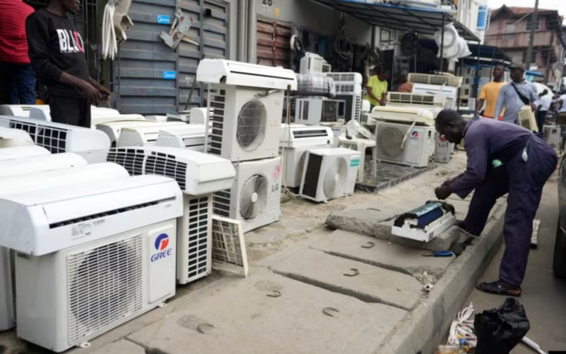
In Nigeria, the growing use of air conditioners is exacerbating pollution problems due to the unchecked release of refrigerants, or cooling gases. Despite government regulations prohibiting their release, a lack of enforcement and proper training for technicians has made this a common, albeit unlawful, practice. These gases are significantly more potent than carbon dioxide, threatening the country's climate commitments.
A major concern is the prevalent use of R-22, a refrigerant that is 1,810 times more damaging to the climate than carbon dioxide. Although Nigeria plans to phase out this gas by 2030, weak enforcement makes it unlikely the target will be met. While newer, less harmful refrigerants like HFCs exist, they are more expensive, limiting their adoption and making polluting alternatives more attractive to consumers seeking cheaper services.
This issue extends beyond Nigeria to other African nations like Ghana and Kenya, where the lack of regulatory enforcement and licensed technicians remains a significant challenge. Experts emphasize the need for stricter import bans on harmful refrigerants and increased awareness among consumers, importers, and technicians to promote environmentally safe practices in the cooling industry.
Summarized from the original article published here: VOA