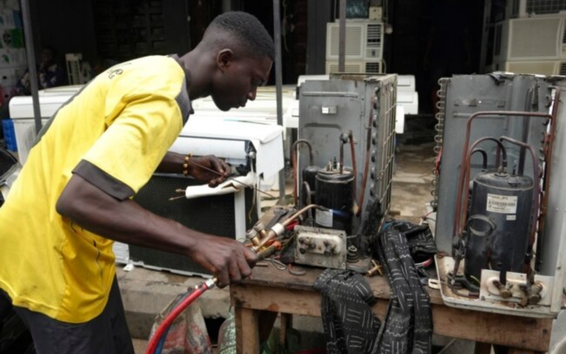
Refrigerant gases used in air conditioners are a major source of greenhouse gas emissions in Nigeria and elsewhere in Africa. While the use of air conditioners is becoming a necessity in a warming climate, the industry is plagued by a lack of regulation and proper training for technicians. This leads to the routine release of potent, climate-damaging refrigerants during installation, repair, and disposal, undermining Nigeria's environmental commitments.
A major challenge is that many technicians, often self-taught or with minimal training, are unaware of the environmental harm caused by these gases. They frequently vent refrigerants directly into the atmosphere to offer cheaper services to customers. This practice, while unlawful, is rarely enforced, and customers often opt for these lower-cost options over those offered by properly trained technicians from more reputable companies.
The most common refrigerant in Africa, R-22, is 1,810 times more damaging to the climate than carbon dioxide, and while newer, less harmful refrigerants exist, they are more expensive and not widely used. Nigeria aims to phase out R-22 by 2030, but industry experts doubt this target will be met without stricter enforcement. Raising awareness among consumers, technicians, and importers about the environmental risks of these gases is crucial for progress.
Summarized from the original article published here: VOA