In a significant step toward its environmental commitments, Nigeria's Minister of Environment, Mr. Mohammed Abdullahi, unveiled the Nigeria Cooling Action Plan (N-CAP). Launched during the World Ozone Day commemoration, the N-CAP aligns with the Montreal Protocol, a global agreement that Nigeria signed in 1988 to phase out ozone-depleting substances. The plan's primary objective is to contribute to the worldwide effort to protect the ozone layer and combat climate change.
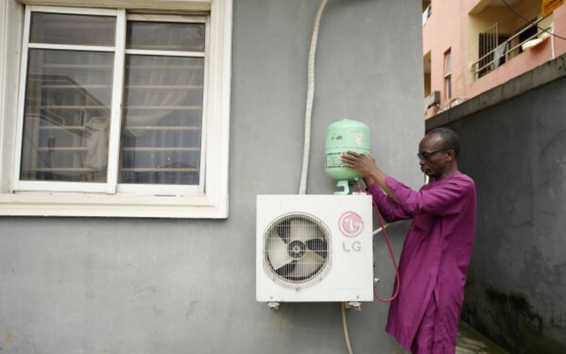
A key strategy within the N-CAP is a rebate scheme designed to accelerate the adoption of energy-efficient cooling appliances. This initiative will allow consumers to exchange their old, inefficient air conditioners and refrigerators for modern, subsidized models. The minister urged financial institutions, hotels, and development partners to provide the necessary funding and support to ensure the scheme's success.
The plan extends its reach beyond residential use, aiming to improve sustainability across key sectors. It promotes the use of efficient cooling systems in banks and the hospitality industry while also focusing on the agricultural sector. By establishing a sustainable cold chain infrastructure, the N-CAP seeks to minimize food spoilage and loss, thereby bolstering food security and economic stability.
Summarized from the original article published here: Environews Nigeria